How Consumer Expectations Are Reshaping the Future of Beauty and Wellness
The beauty and wellness industry is evolving rapidly in 2026, largely because consumer expectations are changing.
Modern consumers are no longer satisfied with traditional beauty experiences that feel inflexible, generic, or disconnected from their lifestyle.
Instead, they are seeking personalized beauty, convenience, wellness integration, and services that support long-term self-care.
This shift is transforming the future of beauty and influencing how brands, professionals, and beauty platforms operate. Consumers now expect experiences that feel tailored to their schedule, wellness goals, and daily routines while remaining easy to access and efficient.
The rise of wellness meets beauty, preventative beauty, and on demand beauty reflects a broader movement toward more holistic and lifestyle-focused self-care.

Convenience Is Becoming a Major Consumer Priority
One of the biggest changes shaping the beauty industry is the increasing demand for convenience. Consumers are prioritizing services that save time and fit naturally into busy schedules.
Modern Consumers Value Flexibility
Many people no longer want to spend unnecessary time commuting to appointments, waiting in salons, or rearranging their day around limited availability. Instead, they expect beauty services to adapt to their lifestyle.
This has increased demand for:
- Mobile beauty services
- Mobile wellness services
- Flexible booking options
- At-home appointments
- Digital scheduling platforms
The rise of beauty convenience has made convenience itself part of the luxury experience.
On-Demand Services Are Becoming the Standard
Consumers increasingly prefer services they can access quickly and efficiently. This has accelerated the popularity of on demand beauty and on demand wellness solutions.
Many clients now choose to:
- book facial at home
- book massage at home
- book hairstylist at home
- book esthetician at home
- book beauty service
The ability to book now and access services directly through a beauty and wellness app reflects how consumer expectations continue to evolve.
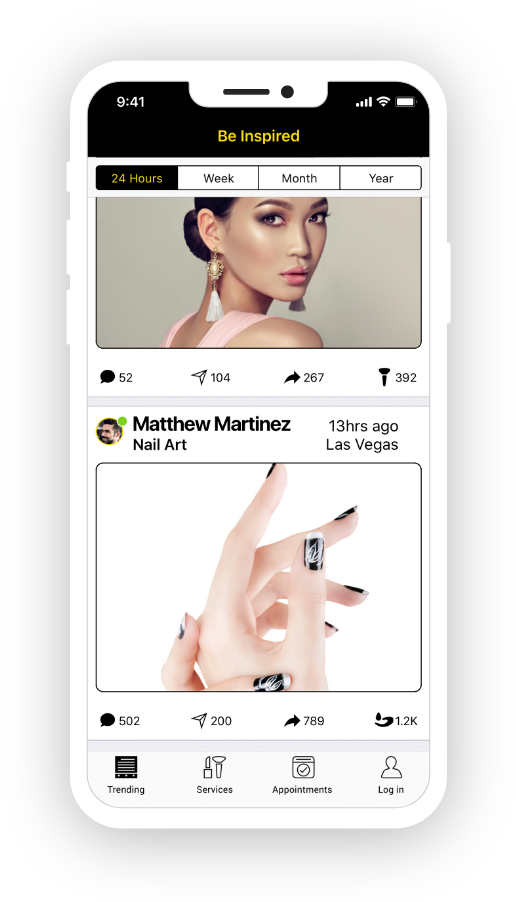
Platforms like MOBILESTYLES and the MOBILESTYLES app are helping support this shift by offering streamlined digital booking experiences designed around beauty on your terms.
Personalized Beauty Is Replacing One-Size-Fits-All Routines
Another major expectation shaping the industry is personalization. Consumers today understand that beauty and wellness needs can vary significantly from person to person.
This has increased interest in:
- Customized skincare routines
- Personalized haircare treatments
- Wellness-centered self-care plans
- Tailored beauty services
- Flexible appointment scheduling
The rise of personalized beauty reflects a broader movement away from generic beauty standards toward more individualized experiences.
Consumers increasingly want services that support their personal lifestyle, wellness goals, and beauty preferences rather than standardized routines.
Wellness Is Becoming Part of Beauty
The connection between wellness and beauty is one of the strongest trends influencing consumer behavior in 2026. Consumers now recognize that factors such as stress, sleep, hydration, recovery, and overall wellness can influence skin, hair, and appearance.
This has contributed to growing demand for services such as:
- book wellness service
- book self care at home
- book massage at home
- wellness-focused facials
- scalp wellness treatments
As self care elevated continues influencing the industry, beauty is becoming more wellness-centered than ever before.
Consumers increasingly view self-care as an important part of maintaining both physical appearance and overall well-being.
Preventative Beauty Is Driving Long-Term Habits
The rise of preventative beauty is another example of how consumer expectations are changing. Instead of focusing only on corrective treatments, many people are prioritizing consistent maintenance and long-term wellness.
Popular preventative beauty habits include:
- Regular facials
- Scalp health maintenance
- Consistent hydration routines
- Stress-management practices
- Wellness-focused beauty appointments
Consumers are increasingly interested in creating a sustainable modern beauty routine that supports healthy skin and hair over time.
Technology Is Reshaping the Beauty Experience
Technology has become central to how consumers interact with beauty and wellness services. People expect fast, seamless digital experiences that allow them to browse providers, customize appointments, and manage bookings easily.
This has increased demand for:
- book at home beauty services
- book beauty at home appointments
- book makeup at home
- book blowout at home
- book nails at home
The convenience of digital platforms is helping redefine luxury at home beauty by making personalized services more accessible.
Consumers increasingly value efficient experiences that combine wellness, personalization, and flexibility within one beauty lifestyle.
Consumer Expectations Will Continue Shaping the Industry
The beauty and wellness industry is becoming more consumer-driven than ever before. Convenience, personalization, wellness integration, and preventative care are no longer optional trends—they are becoming standard expectations.
As the future of beauty continues evolving, brands and service providers that prioritize flexibility, accessibility, and wellness-focused experiences will likely remain at the center of the industry’s transformation.