Today, it is becoming an important part of how consumers think about their time, spending, and everyday routines.
People are paying closer attention to how they feel, how they spend their free time, and whether the services they use actually fit into their lives. That shift is influencing businesses across beauty, wellness, hospitality, fitness, and other service industries.
For brands, self-care is no longer simply a lifestyle topic. It is becoming part of the customer experience.

Why self-care is changing consumer behavior
Modern consumers are often balancing demanding work schedules, family responsibilities, social commitments, and personal goals. That leaves less time for activities that require unnecessary planning or travel.
As a result, convenience has become increasingly valuable.
Consumers may still want professional beauty and wellness services, but they are also asking different questions:
- How much time will this appointment take?
- How easy is it to book?
- Do I have to travel?
- Can the service fit around my schedule?
- Does the experience feel personalized?
- Is the service worth the time and effort involved?
These questions are changing what people expect from service businesses.
Convenience is becoming part of self-care
A service can be valuable because of what it provides, but also because of how easily the customer can access it.
Consider a traditional beauty appointment. The service itself might take an hour, but the customer may also need to drive to the location, find parking, wait, and travel home afterward.
For a busy client, those additional steps can make self-care harder to prioritize.
This is one reason wellness at home and mobile beauty services are gaining attention. When a professional comes to the client, some of the logistical work disappears.
The customer still receives professional care, but the experience can fit more naturally into the rest of the day.
Flexibility is becoming a competitive advantage
Flexibility matters because consumers' schedules are not all the same.
A parent may need an appointment during a specific window. A professional working from home may prefer a service between meetings. A traveler may want beauty or wellness care at a hotel. Someone preparing for an event may need several services at one location.
Businesses that recognize these differences can create experiences that feel more relevant to individual customers.
For service brands, flexibility can include:
- More convenient appointment locations
- Online booking
- Flexible scheduling
- Personalized service options
- Clear communication before appointments
- Services designed around different customer needs
The objective is not to make every service available everywhere at all times. It is to reduce unnecessary barriers between the customer and the service.
Self-care is also influencing the beauty industry
The beauty industry has always been connected to personal care, but expectations are evolving.
Clients increasingly want more than a finished look. They want an experience that respects their time and preferences.
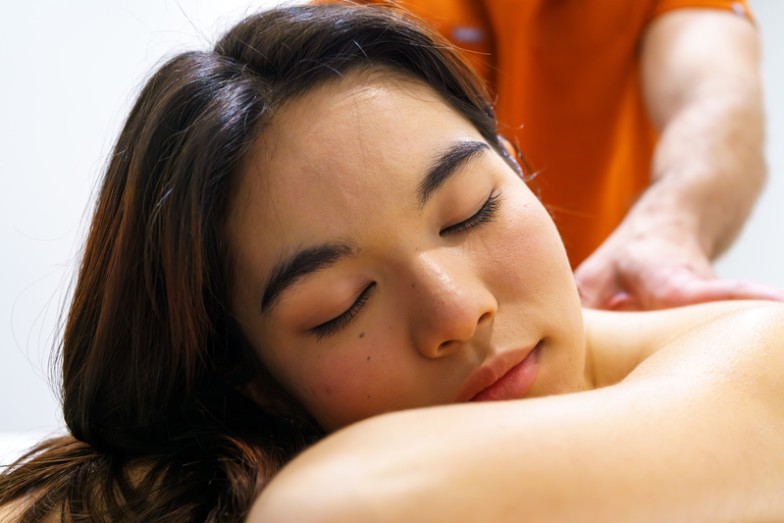
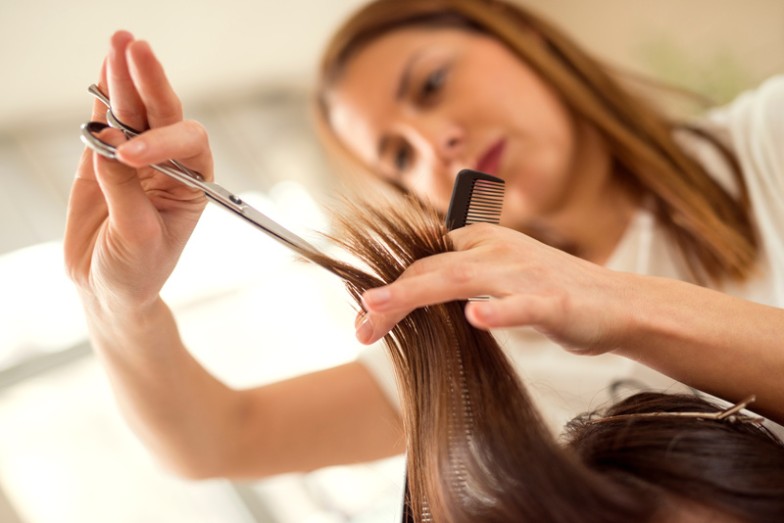
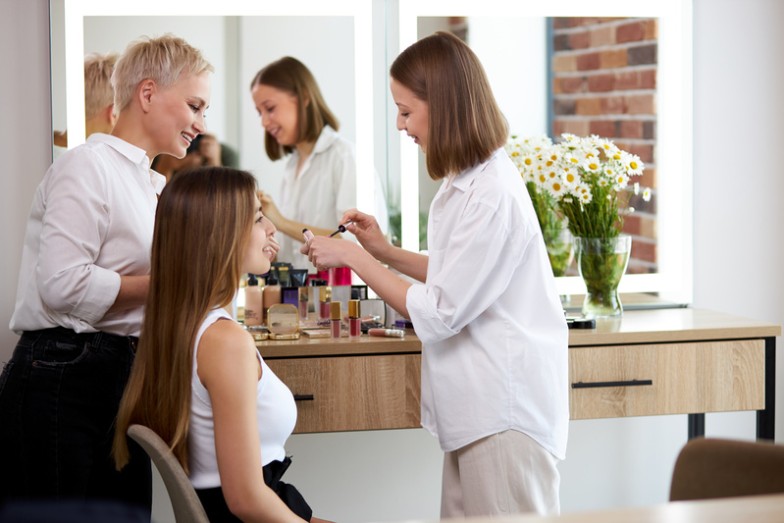
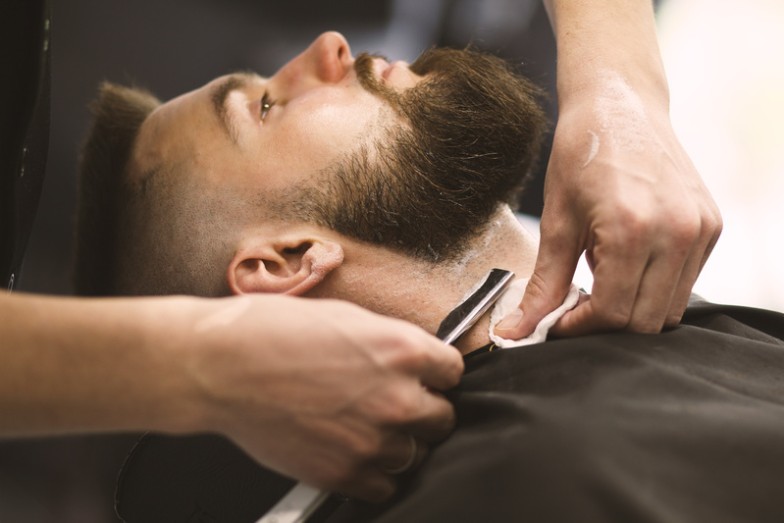
A haircut, facial, manicure, massage, or styling appointment can become part of a broader self-care routine when the experience feels convenient and enjoyable.
This creates opportunities for beauty businesses to think beyond the service itself.
A strong customer experience can involve:
- Easy discovery: Customers should be able to understand what the business offers.
- Simple booking: The process should not create unnecessary friction.
- Personalization: Professionals should understand what the client wants.
- Convenience: The service should work with the customer's lifestyle.
- Consistency: Customers should know what to expect from the experience.
These details can influence whether someone books once or becomes a repeat customer.
Employee wellness is part of the same shift
The focus on well-being is not limited to consumers.
Employers are also paying more attention to employee wellness and the role that work-life balance plays in the workplace.
Wellness initiatives can take many forms, from mental health resources and flexible schedules to fitness programs and workplace services.
For businesses providing beauty and wellness services, this creates another potential audience.
Mobile services can be particularly relevant to workplaces because professionals can bring certain services directly to offices or company events, depending on the service and setup.
That creates an opportunity to connect professional wellness with the working environment rather than treating the two as completely separate parts of life.
Customer expectations are becoming more personal
The growth of self-care also reflects a broader expectation for personalization.
Consumers do not necessarily want a one-size-fits-all experience. They want businesses to understand their preferences, circumstances, and goals.
That can be as simple as asking the right questions before an appointment.
A stylist may want to understand how a client normally manages their hair. An esthetician may ask about a client's skincare routine. A massage professional may discuss areas of tension and pressure preferences.
These conversations help turn a standard service into a more individualized experience.
Self-care can create long-term customer relationships
A business strategy focused on self-care is not simply about encouraging customers to book more appointments.
It is about becoming part of a customer's routine.
When a service is convenient, reliable, and personalized, it has a better chance of becoming something customers return to regularly.
That creates an opportunity for businesses to build relationships rather than relying only on one-time transactions.
The strongest service brands understand that customer loyalty often comes from the entire experience, not one impressive moment.
What businesses can learn from the self-care trend
The rise of self-care offers a useful lesson for businesses across the service industry.
Customers are increasingly valuing experiences that give them back something they cannot easily replace: time and attention.
Brands can respond by asking:
- What makes our service difficult to access?
- Where can we make the customer experience simpler?
- Can we offer more flexibility?
- How can we personalize the service?
- Are we respecting the customer's time?
These questions can reveal opportunities that go beyond adding another product or promotion.
The future of service is more human and flexible
Self-care is becoming a business strategy because consumer expectations are changing.
People want professional services, but they also want convenience, flexibility, personalization, and experiences that fit into real life.
For the beauty and wellness industry, that creates an opportunity to rethink where and how services are delivered.
The businesses that understand self-care as more than a trend—and treat their customers' time, comfort, and well-being as part of the experience—will be better positioned for what comes next.