The message was familiar. Lines needed to be erased.
Skin needed to look younger. Aging was treated as a problem that required constant correction.
That mindset is beginning to lose its appeal.
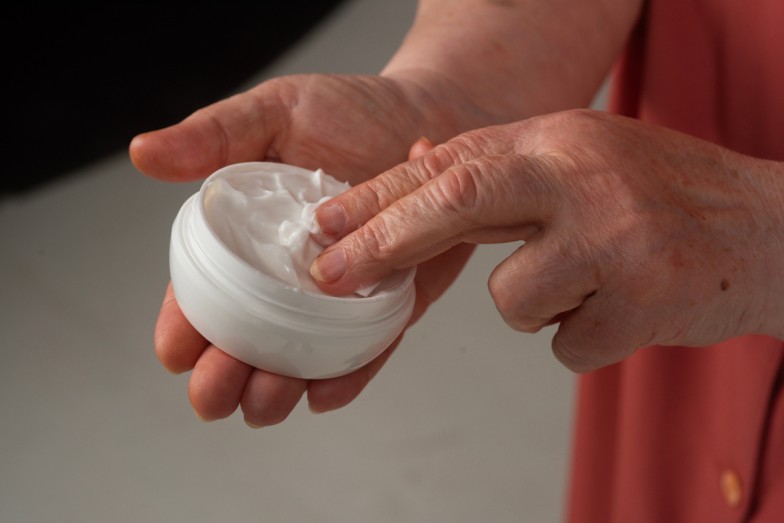
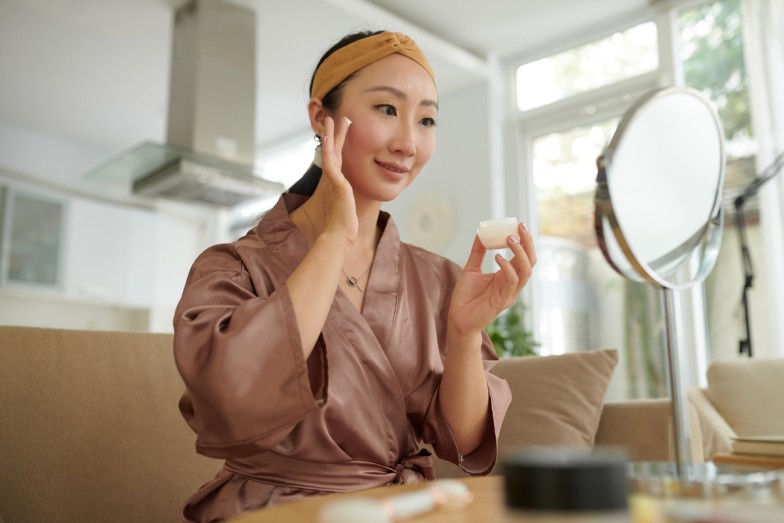
In 2026, the conversation around skincare is shifting toward skin longevity, prevention, and long-term care. The goal is becoming less about trying to look like a younger version of yourself and more about supporting healthy-looking skin through different stages of life.
It is a subtle change in language, but it represents a much bigger change in how people approach beauty.

Aging Is Not the Enemy
The problem with traditional anti-aging messaging is that it can make a completely natural process sound like something that needs to be defeated.
Skin changes. Texture changes. Fine lines appear. Needs change over time.
None of that means your skincare routine has failed.
The skin longevity mindset creates more room for a realistic approach. Instead of focusing only on reversing visible changes, it encourages people to think about how they care for their skin consistently.
That can include hydration, barrier support, prevention, professional guidance, and treatments chosen around personal goals.
The focus shifts from fighting age to supporting skin.
Skin Longevity Looks Beyond Quick Results
The beauty industry has always had room for products and treatments promising fast transformations.
But modern skincare consumers are becoming more interested in what supports their skin over time.
A product that creates an immediate glow can be enjoyable, but skin longevity is built around a longer view. The questions become less about what changes your skin overnight and more about what habits you can maintain.
That does not mean instant results are unimportant. Sometimes you want your skin to look refreshed before an event or special occasion.
But long-term care and short-term results do not have to compete.
A thoughtful skincare approach can make room for both.
Prevention Is Becoming Part of Beauty
Prevention is one of the biggest ideas behind the changing skincare mindset.
Rather than waiting until a concern becomes more noticeable, people are paying closer attention to everyday habits that support their skin.
This can include protecting skin from excessive sun exposure, maintaining hydration, avoiding unnecessary irritation, and choosing products carefully rather than constantly adding more.
A prevention-focused approach can start with simple questions:
- What does my skin need right now?
- Which habits can I realistically maintain?
- Am I protecting my skin from unnecessary stress?
- Is my routine helping—or overwhelming—my skin?
- When should I seek professional guidance for a concern?
Prevention is not about creating fear around aging.
It is about becoming more intentional.
The Skin Barrier Has Changed the Conversation
One of the most important shifts in skincare has been the growing attention to the skin barrier.
For years, stronger was often associated with better. More exfoliation, more active ingredients, and more products could easily become the goal.
Today, people are increasingly aware that an aggressive routine is not always a better routine.
When skin feels persistently dry, tight, uncomfortable, or reactive, constantly adding more products may not be the answer.
Barrier-focused care encourages balance.
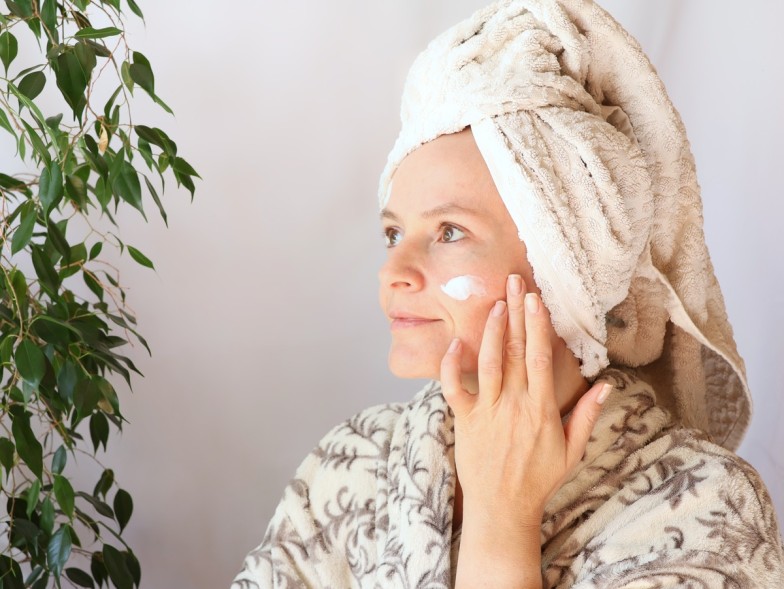
That can mean gentle cleansing, consistent moisturizing, hydration, and giving your skin time to recover between treatments or active ingredients.
The goal is not to avoid every powerful ingredient. It is to use products thoughtfully and pay attention to how your skin responds.
More Care, Less Chasing
Skincare trends move quickly.
A new ingredient becomes popular. A product sells out. Someone posts a dramatic routine online, and suddenly it can feel like your own skincare needs an update.
The longevity mindset encourages a different response: slow down.
You do not need to try everything.
In fact, constantly changing products can make it harder to understand what works for your skin. A more consistent routine allows you to observe how your skin responds and make thoughtful adjustments when needed.
Consider focusing on the essentials:
- Gentle cleansing appropriate for your skin.
- Hydration and moisturizing support.
- Everyday sun protection.
- Thoughtful use of active products.
- Professional guidance when you have persistent or concerning skin changes.
The exact routine will be different for everyone, but consistency remains a valuable part of long-term care.
Professional Treatments Are Becoming More Intentional
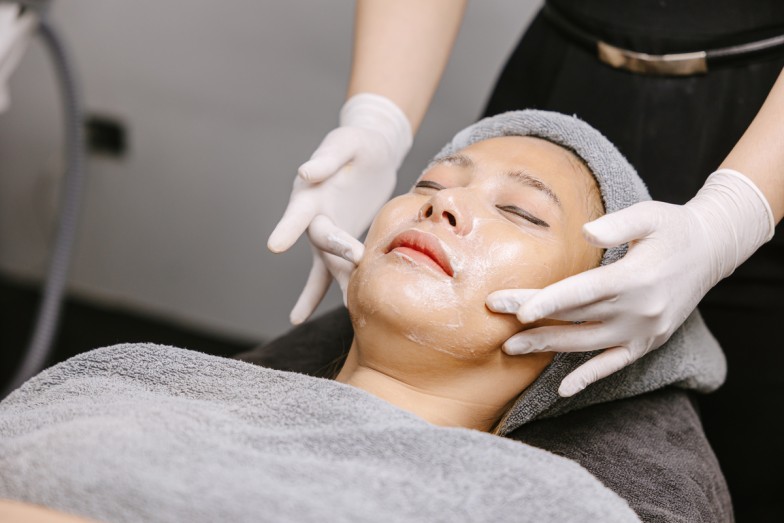
Professional skincare and beauty treatments can also fit into the skin longevity conversation.
The difference is intention.
Instead of booking every available treatment or chasing the newest procedure, people are becoming more selective about what they want from professional care.
You might be looking for hydration, relaxation, a refreshed appearance, or guidance from a qualified professional.
Knowing your goal can help you make more thoughtful choices.
At MOBILESTYLES, we believe personal care should fit into real life. Convenient beauty and wellness services can make it easier to create time for yourself without adding unnecessary travel and transitions to your schedule.
For persistent skin concerns or medical conditions, however, a qualified healthcare professional or dermatologist is the appropriate person to consult.
The New Goal Is Healthy-Looking Skin
Moving beyond anti-aging does not mean people suddenly stop caring about fine lines, texture, or visible changes.
It simply changes the conversation.
You can care about how your skin looks without treating aging as a failure.
You can choose products and treatments that support your goals while also accepting that skin will continue to change.
That perspective may be one of the most meaningful shifts happening in modern beauty.
The future of skincare is not necessarily about looking younger.
It is about feeling informed about your choices, understanding what your skin needs, and building habits that support it over time.
Anti-aging may be losing its grip.
But caring for your skin is not going anywhere.